

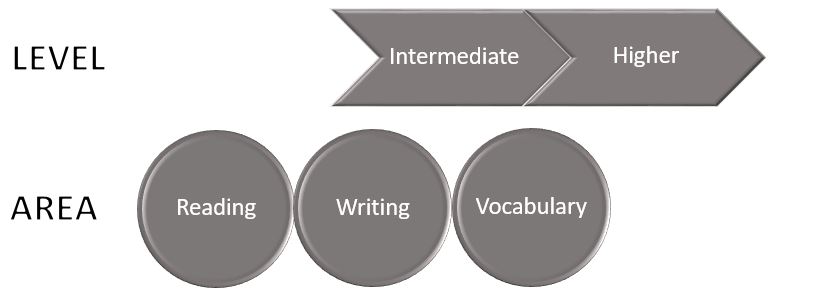
Today I would like to share an AI-powered lesson aimed at engaging students with a series of tasks focusing on useful vocabulary and expressions for talking about movies. The lesson includes a reading component, analyzing lexis with a critical mind and getting students to write their own movie reviews.
Continue reading “Movie reviews”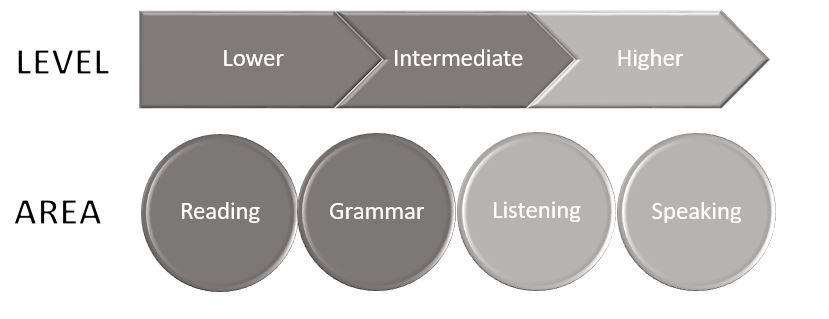
In Lesson Makeover 1 I used ChatGPT to create additional lesson materials based on the content and objectives from a double-page spread of a coursebook lesson, focusing on section 2A. Now, I will move on section 2B to develop more resources to foster greater motivation and engagement in the language classroom.
Continue reading “Lesson makeover 2”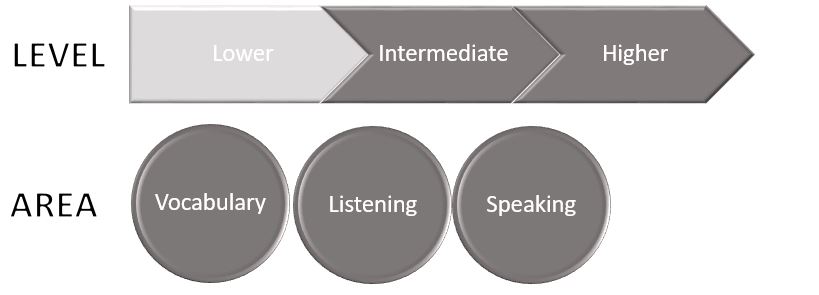
Today I am going to try to enhance and expand the types of tasks included in a coursebook lesson with the assistance of ChatGPT. My aim is to create a variety of activities centered around the lesson’s main theme, which I can choose to use during the lesson or assign as homework or extended work.
Continue reading “Lesson makeover 1”
Today I am going to create odd-one-out activities, that is, exercises where students are presented with a list of words, and their task is to identify which item doesn’t belong with the others. After experimenting with ChatGPT for a while for odd-one-out activities, I have found that results are not always up to scratch. However, one must acknowledge that technology will save us tons of time in the process, and in the end, we can simply leave out bits we are not pleased with and just take with us what we think will work well for our teaching needs and purposes.
Continue reading “Odd one out”
Today I will be asking ChatGPT to generate speaking exam practice material based on reading passages from coursebooks. We can use this material to create exam papers for speaking exams or simply engage students in conversations around the ideas stemming from those reading passages in pairs or small groups.
Continue reading “From reading passage to speaking exam practice”
Today we are going to take a look at an incredibly powerful way to create meaningful homework material based on vocabulary that crops up in lessons and is noted on blackboards/whiteboards/IWBS.
Continue reading “Handout from board annotations”
Today I am going to show a couple of examples of how ChatGPT can generate rubrics for assessing students’ work and performance. A rubric is an assessment tool that outlines specific criteria for grading or evaluating student work in specific areas such as grammar accuracy or use of vocabulary. It includes a scoring scale and descriptors that define levels of performance. Rubrics provide students with feedback on strengths and areas for improvement, making grading more objective and transparent.
Continue reading “Rubrics”
Recontextualisation is a process that extracts text, signs or meaning from its original context and places it in another context. This time we are going to ask Gen. AI to turn a song into a haiku.
Continue reading “Recontextualization: from song to haiku”
This is a Gen.AI-powered activity centered around the theme of video games, which will certainly appeal to teenagers. Students will read descriptions and reviews of video games and engage in discussions about them.
Continue reading “Video games” AI in ELT