Chunk enriched texts

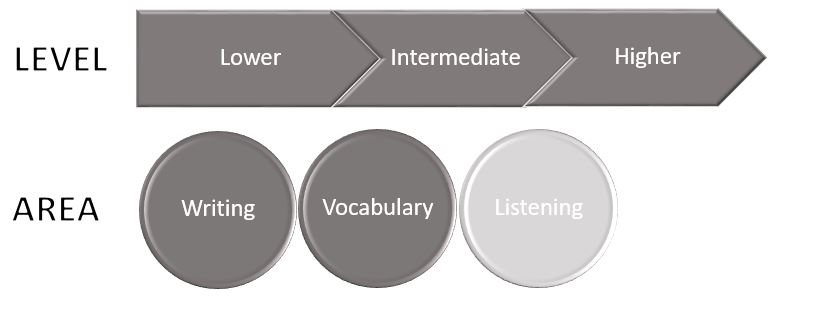
This time I am going to share how we can use Claude live in class to first generate short text messages and then create chunk-enriched versions in order to raise awareness of common formulaic language typical of text messages. Next, we would encourage our students to write their own messages, incorporating this useful language.

Continue reading “Chunk enriched texts”
Movie reviews

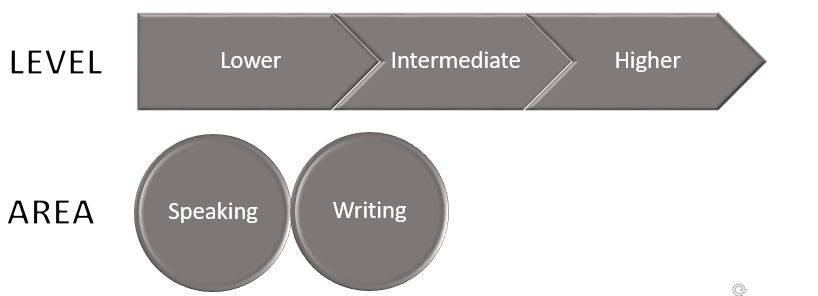
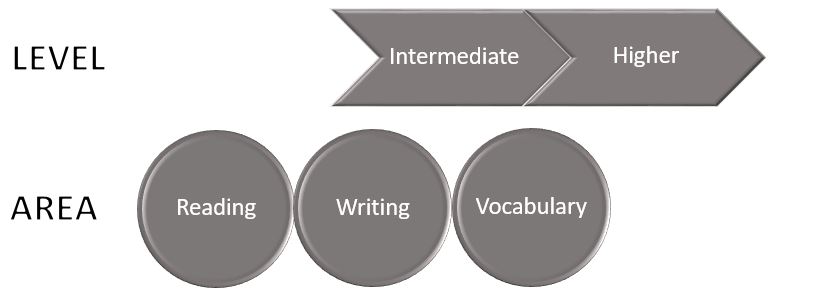
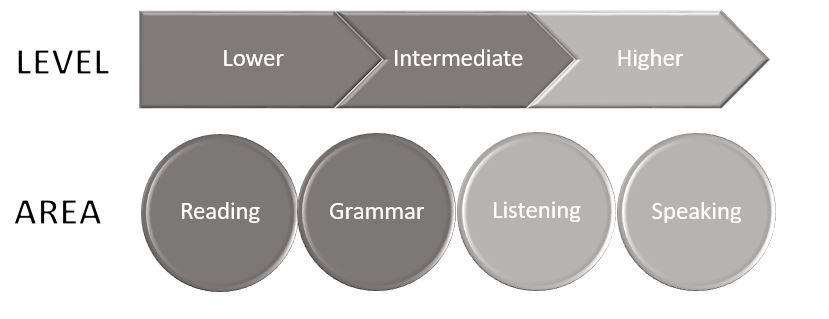
Today I would like to share an AI-powered lesson aimed at engaging students with a series of tasks focusing on useful vocabulary and expressions for talking about movies. The lesson includes a reading component, analyzing lexis with a critical mind and getting students to write their own movie reviews.

Continue reading “Movie reviews”

Lesson makeover 2

In Lesson Makeover 1 I used ChatGPT to create additional lesson materials based on the content and objectives from a double-page spread of a coursebook lesson, focusing on section 2A.  Now, I will move on section 2B to develop more resources to foster greater motivation and engagement in the language classroom.

Continue reading “Lesson makeover 2”

Keeping a journal

Have you ever tried having your students keep journals in the language classroom? This can be done using personal notebooks or digital tools, allowing students to record their thoughts and ideas. Journals are very useful as language learning tools because they help build the habit of writing regularly. Good habits learn the foundation for consistent progress.

Continue reading “Keeping a journal”

Rubrics

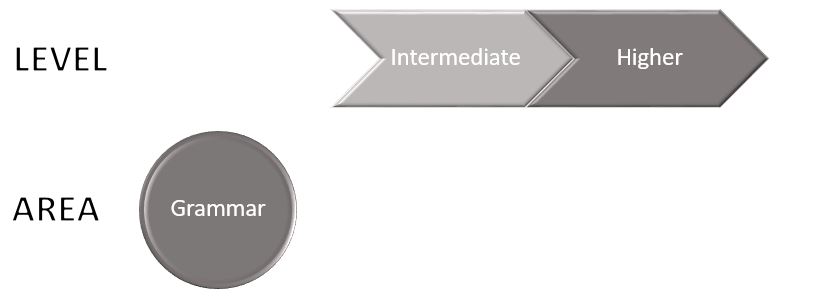
Today I am going to show a couple of examples of how ChatGPT can generate rubrics for assessing students’ work and performance. A rubric is an assessment tool that outlines specific criteria for grading or evaluating student work in specific areas such as grammar accuracy or use of vocabulary. It includes a scoring scale and descriptors that define levels of performance. Rubrics provide students with feedback on strengths and areas for improvement, making grading more objective and transparent.

Continue reading “Rubrics”

Social media discourse

As language teachers, we try to prepare students for the different types of writing they encounter in exams, such as essays, emails, reports, reviews, or proposals. However, we often miss out on other types of writing that are much more common nowadays. I am referring to posts on social media.

Continue reading “Social media discourse”

For and against essay

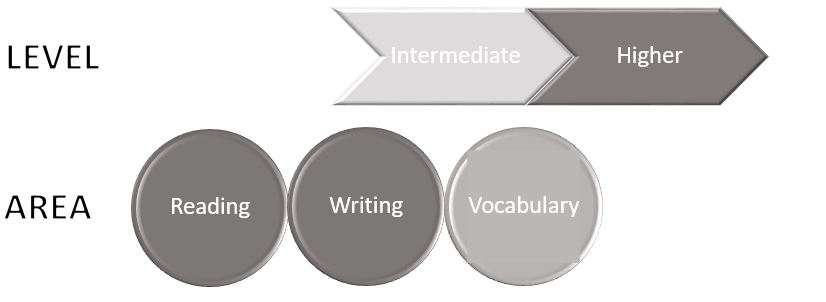
Today I want to create a model of a “for and against essay” using Gemini for a class of advanced learners. Then, we can make copies for the students and, in class, focus mainly on how the essay is organized and on the use of interesting linking words for the students to write their own essays on a different topic.

Continue reading “For and against essay”