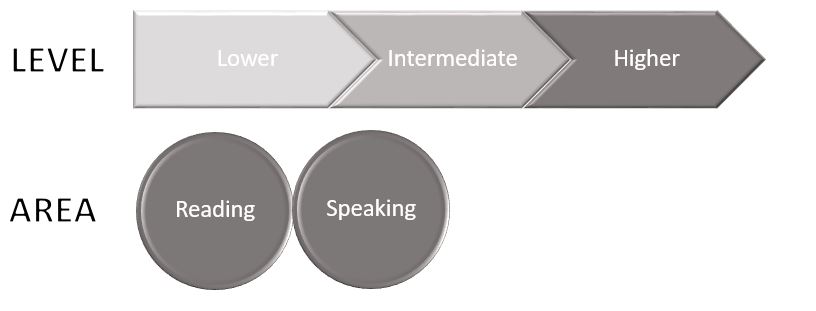
Vocabulary review

Today I would like to share a highly productive way to revise vocabulary with our students in class. This can work really well as a warmer for the first ten minutes of the lesson. We can select off-the-cuff language items that have cropped up in class, and we can also choose language items from the coursebook.

Continue reading “Vocabulary review”
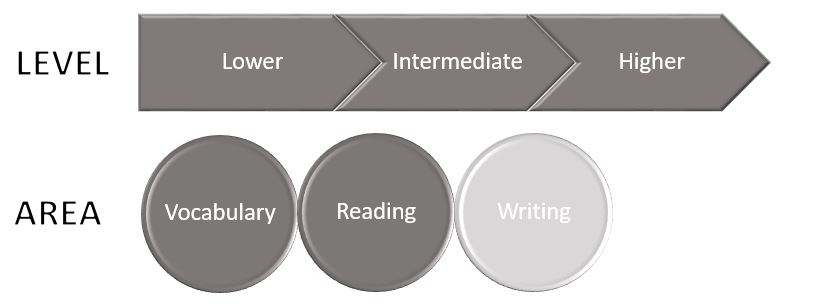
Mining reading passages for collocations 2

In an earlier post we mined a reading passage from a coursebook series for collocations for the students to do some work around those collocations prior to the reading activity. This time I am going to use the same reading material to share a few ideas on other types of activities that we can take to the language class for the students to do after they have read the passage.

Continue reading “Mining reading passages for collocations 2”

Mining reading passages for collocations 1

Today we are going to ask Claude to generate collocations (clusters of two or three words that commonly appear together in spoken and written English more frequently than they would occur by chance) aligned with reading passages from coursebooks or the web. The aim is to use this material for both communicative activities and raising awareness of collocations before the reading task.

Continue reading “Mining reading passages for collocations 1”

From reading to speaking practice

With the rise of Gen.AI, language learners now have countless ways to practice speaking and conversational skills. They could simply hold voice conversations with the sole intent of having someone to talk to in order to use the language they are gradually acquiring. These conversational exchanges could also take a more structured format. Today I am going to share an idea for our students to try in a quiet place for a few minutes, in combination with reading material.

Continue reading “From reading to speaking practice”

Graded readers

Today I’d like to share a couple of games inspired by graded readers that can be played live in class with no prior material preparation. All we need to do is type a prompt into ChatGPT (or copy and paste it from a Word or online document). I can guarantee maximum student participation and engagement.

Continue reading “Graded readers”

Creating stories: find the differences

Today we are going to ask ChatGPT to create two short stories with 5 small differences, tailored to an A2 language level. Students will be working in pairs to exchange information in order to identify the differences. We will be copying and pasting the texts, then printing copies for use in the language class.

Continue reading “Creating stories: find the differences”