
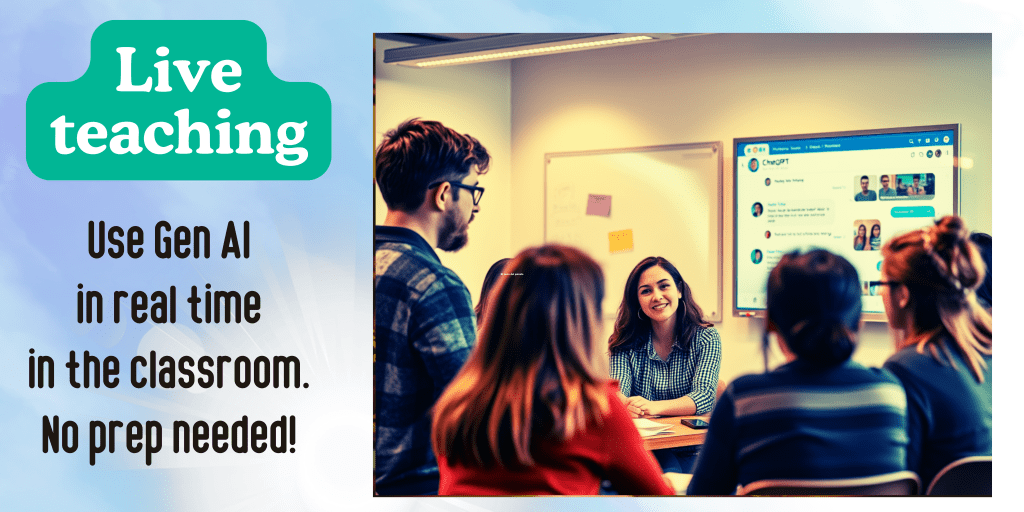


This time I am going to share how we can use Claude live in class to first generate short text messages and then create chunk-enriched versions in order to raise awareness of common formulaic language typical of text messages. Next, we would encourage our students to write their own messages, incorporating this useful language.
Continue reading “Chunk enriched texts”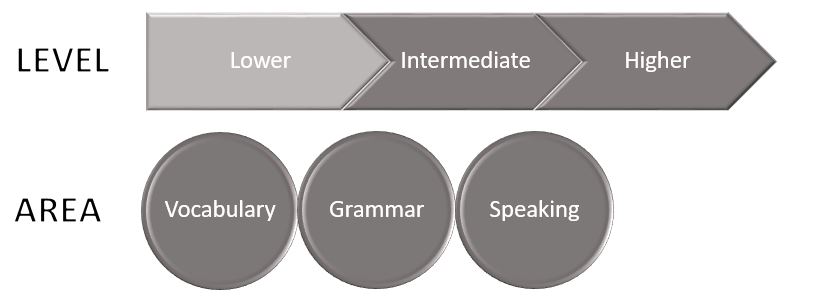
As language teachers, we should strive to create learning opportunities to make language memorable. It goes without saying that, for effective learning to take place, learners also have a responsibility to take the language beyond the classroom setting and engage with newly acquired vocabulary in different ways.
Continue reading “Exploring vocabulary: context and co-text”
If I were to choose my favourite LIVE class activity from the blog so far, this would definitely be my pick. A ‘create your own adventure’ story is an interactive narrative where the reader makes decisions at key points, influencing the direction and outcome of the story. After each choice, the reader is directed to a new part of the story based on their decision, leading to more choices to be made.
Continue reading “Create your own adventure”
Today I will ask ChatGPT to create trivia questions for the students based on a class reader. The students will be working in teams to answer the questions. I will also be exploring other types of trivia activities we can use in the language class.
Continue reading “Trivia quiz”
Memory plays a vital role in language learning. However, memory in language learning is not merely a matter of exposure, understanding and storage of new words; it also involves retrieval, quick access and the ability to use that language competently. Regardless of age or inherent ability, memory can and should be trained. Here is a class activity that can help learners store and activate language.
Continue reading “Memorization”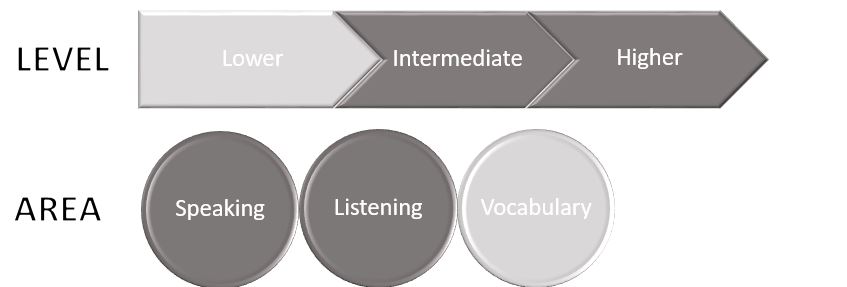
Story dice are a set of small cubes with a different picture or symbol on each face. By rolling the dice, users generate a random combination of images—such as a ladder, a balloon and a bicycle—which they can then use as prompts to create a story. They are an excellent tool for the language classroom as they promote creativity and stimulate imagination. Additionally, story dice are available from a handful of websites.
Today I will explore ways to use story dice in the classroom in combination with the ChatGPT voice extension or the Android/iOS app for added elements of creativity, interaction and multimodal language use and practice.
Continue reading “Story dice”
Gen.AI can be of enormous help in explaining vocabulary. There are various things we can do as learners to explore, understand and get exposure to lexical items, such as asking for definitions, requesting example sentences with the target words, or asking Gen.AI to write stories incorporating that vocabulary. In addition to these methods, teachers can also ask Gen.AI to generate conversation questions incorporating the target words for further exposure and practice in the language classroom. In this blog post I am going to give this last method a twist.
Continue reading “Reverse conversation questions”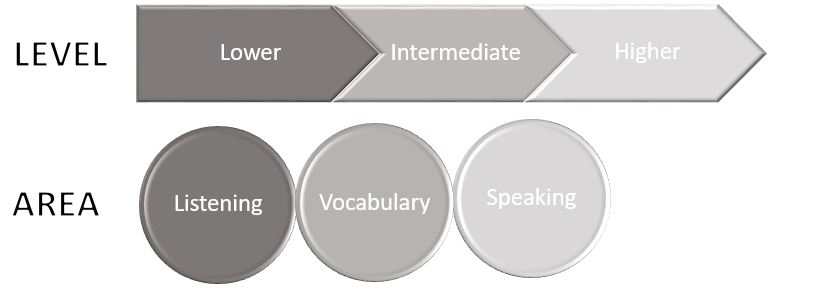
Today I will be sharing a way to play bingo with our students in class using Gemini. Although this game is ideal for lowel levels, it can also be adapted across all levels. As you will see, this tweaked version has more to do with a listening exercise that goes beyond simply identifying words on a bingo card.
Continue reading “Bingo”
Today we are going to explore a Gen.AI version of the popular game Taboo. The game is simple (but not always easy to play). Players must describe a target word without using a list of specific ‘taboo’ words that are closely related to it. The goal is for teammates to guess the target word based on the description, but the challenge lies in avoiding the obvious words that would make it easier to guess. If a player uses a forbidden word, they lose the round.
Continue reading “Games: Taboo” AI in ELT